Acoustic and Insulation Mats
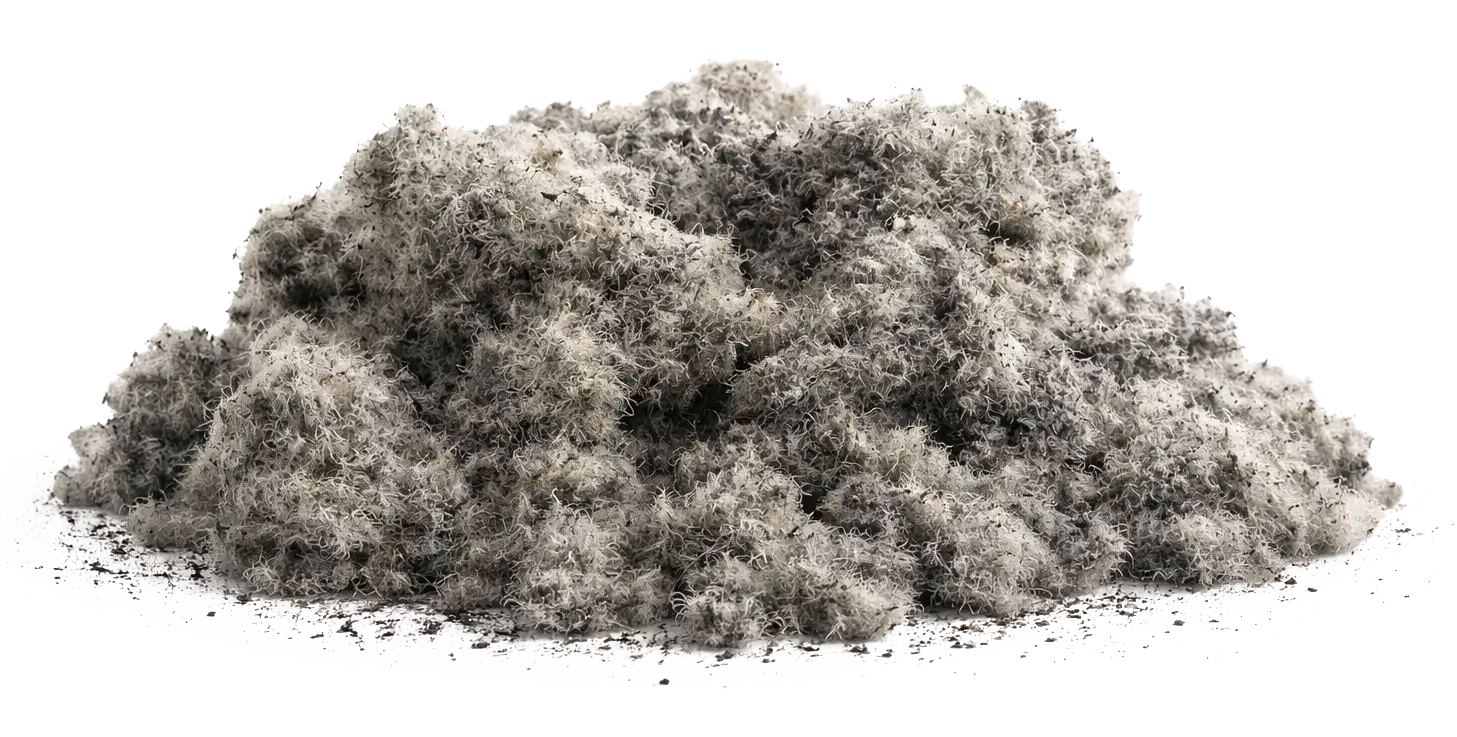
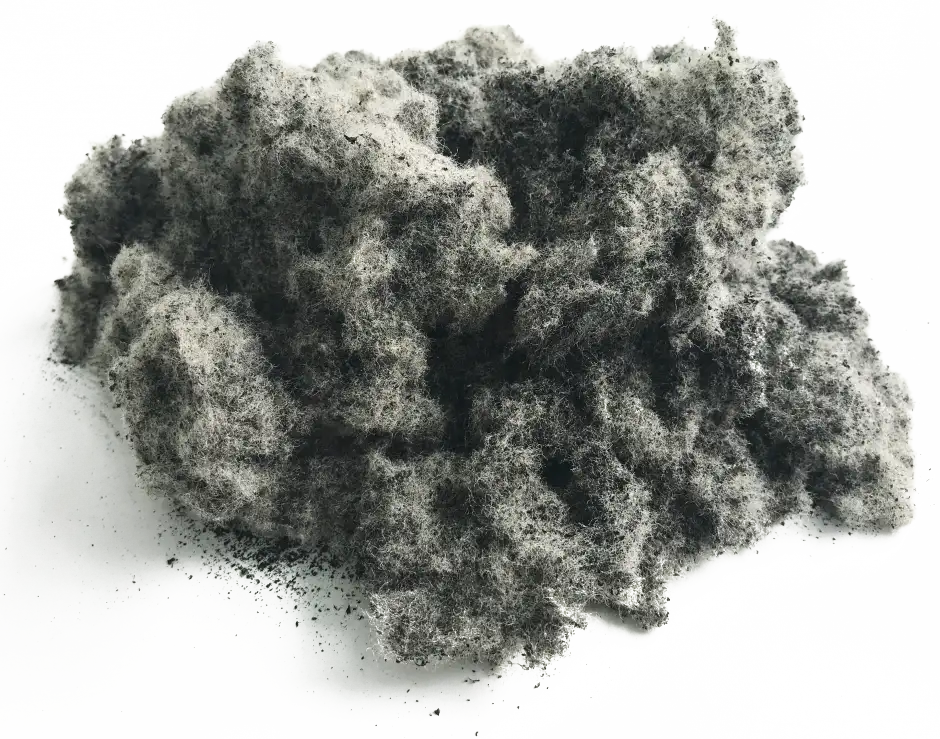
Textile fraction from ELT is suitable for the manufacture of acoustic and insulation mats that help attenuate noise and reduce heat transmission. Thanks to its fibrous structure and low bulk density, this material is attractive for technical insulation, interior applications and building elements. In practice, it can replace conventional absorbent cores in products where sound absorption, comfort and sustainable material origin are important. Studies confirm excellent insulation properties of the textile fibres and their use in both loose fraction and pressed mat form.
Noise Barriers Along Roads and Railways
One of the most practical applications is as fill material in road and railway noise barrier panels. Recycled textile fraction is used here as an acoustically effective material that helps reduce the propagation of traffic noise. The advantage is that it can serve as a substitute for traditional absorbent cores without requiring major changes to panel construction. Such solutions combine technical functionality with environmental benefit, giving material recovered from tires a new, long-term application.
Automotive Noise and Heat Attenuation
Textile fraction also has significant potential in the automotive industry, particularly for solutions focused on noise, vibration and harshness (NVH) attenuation and thermal separation. It can be used in constructions aimed at increasing cabin acoustic comfort while maintaining low component weight. It is suitable as a supplementary material in layered components, padding and technical insulation elements. In the automotive sector, textile fraction supports a quieter interior and a higher level of user comfort.
Floor Systems and Impact Sound Insulation
Textile fraction can be used as a functional layer in flooring systems, underlays and technical floor assemblies. It helps reduce impact sound transmission and improve acoustic comfort in residential, office and public spaces. Thanks to its structure, the material performs well in products requiring a combination of flexibility, attenuation and ease of processing. Recycled textile mats are used in flooring systems, where the material integrates seamlessly into standard assemblies without the need for fundamental redesign.