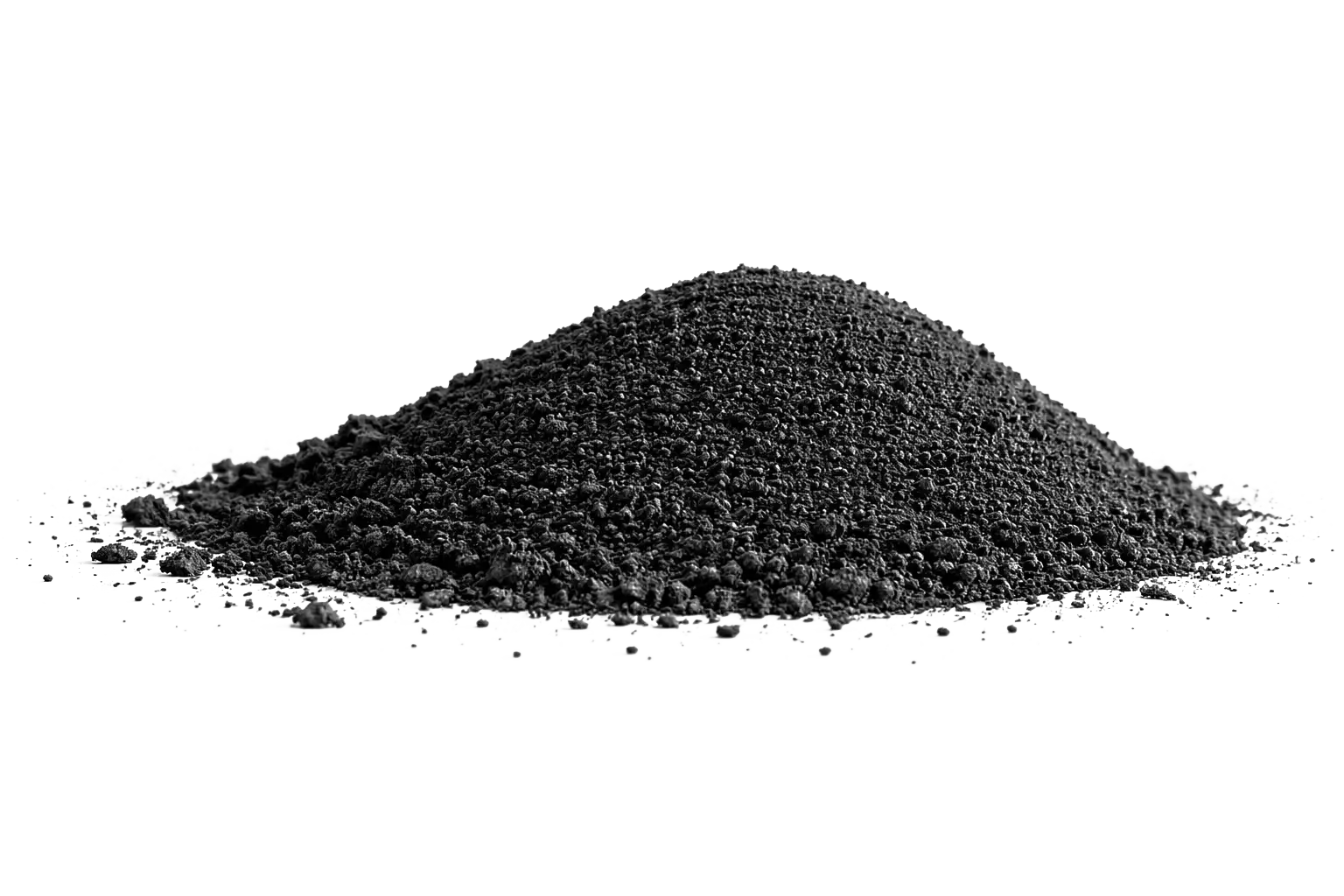
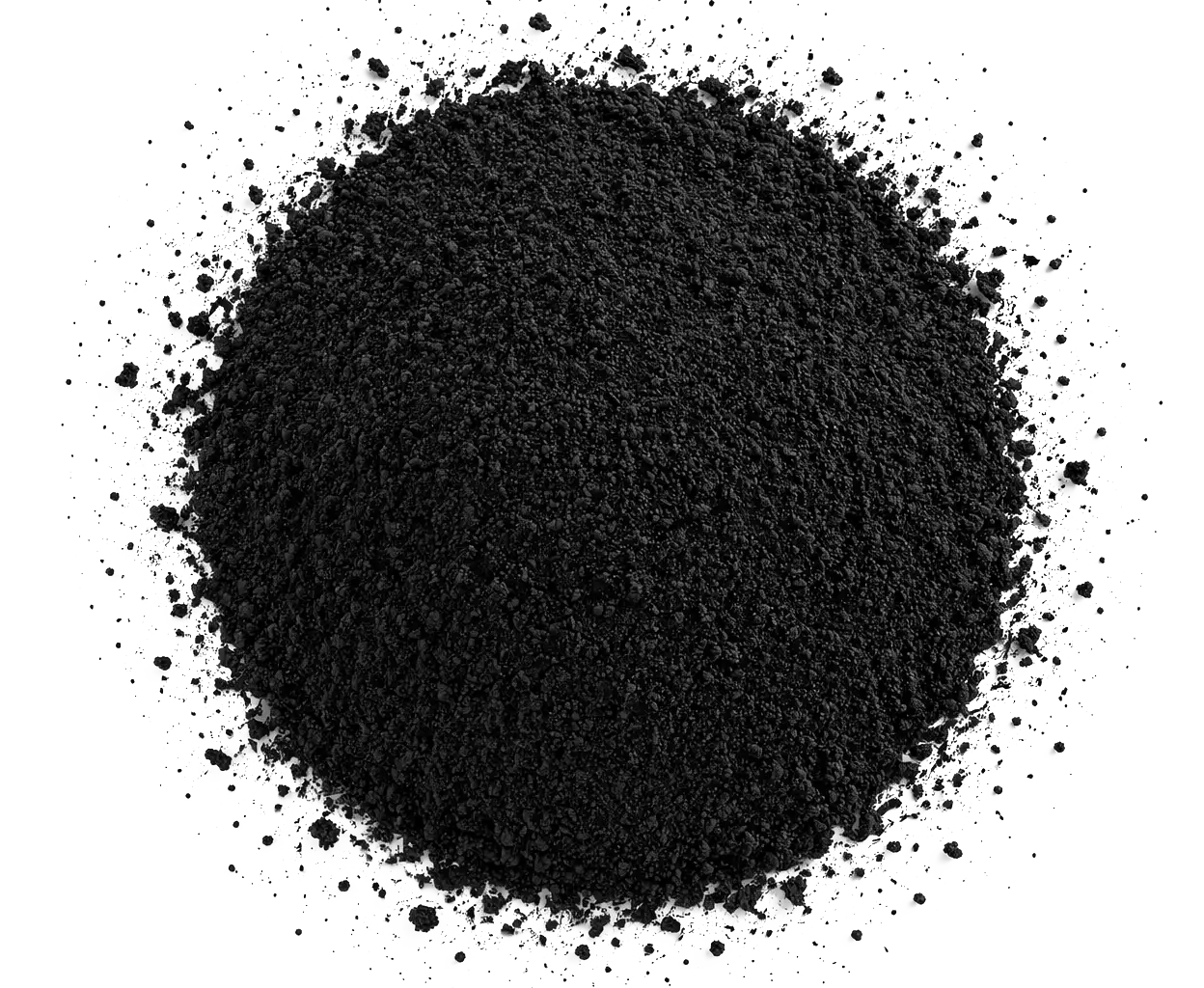
A promising area is the modification of asphalt and bitumen compounds with crumb rubber derived from recycled tires — a technique known as rubberized asphalt. In this application, the emphasis is on comparable resistance to rutting and cracking compared with SBS modification, as well as a reduction in the need for primary synthetic polymers. In practice, this is a technically attractive solution for road construction and infrastructure projects.
Safety Walkways and Trail Surfaces
Rubber Powder can also be used in safety surfaces for walkways, trail routes and active zones. Combined with aggregate and binders, it creates a softer, impact-absorbing surface. Such systems are suitable for pedestrian paths, recreational areas and other spaces where comfort and safety of movement are important. The surface can be both functional and visually tailored to the project. This represents an interesting extension of use beyond conventional sport applications.
Running Tracks and Sports Surfaces
Rubber Powder is used as an elastic, impact-absorbing layer beneath the final sports surface. This construction is suitable for running tracks, tennis courts and multi-purpose pitches. Key advantages include the combination of resilience, comfort and long-term mechanical durability. The surface is typically installed in-situ by mixing the rubber powder with a polyurethane binder. This demonstrates genuine application in both professional and public sports facilities.
In children's playgrounds, rubber powder is used in poured-in-place safety surfaces as well as in prefabricated tiles. Its primary advantage is the ability to create a flexible, impact-absorbing base that enhances play safety. The surface can also be shaped into various colours, patterns and textures, opening up possibilities for attractive design. Compared with loose-fill materials, it is easier to maintain and has a more compact appearance. This is a compelling argument for municipalities, schools and public space developers alike.